
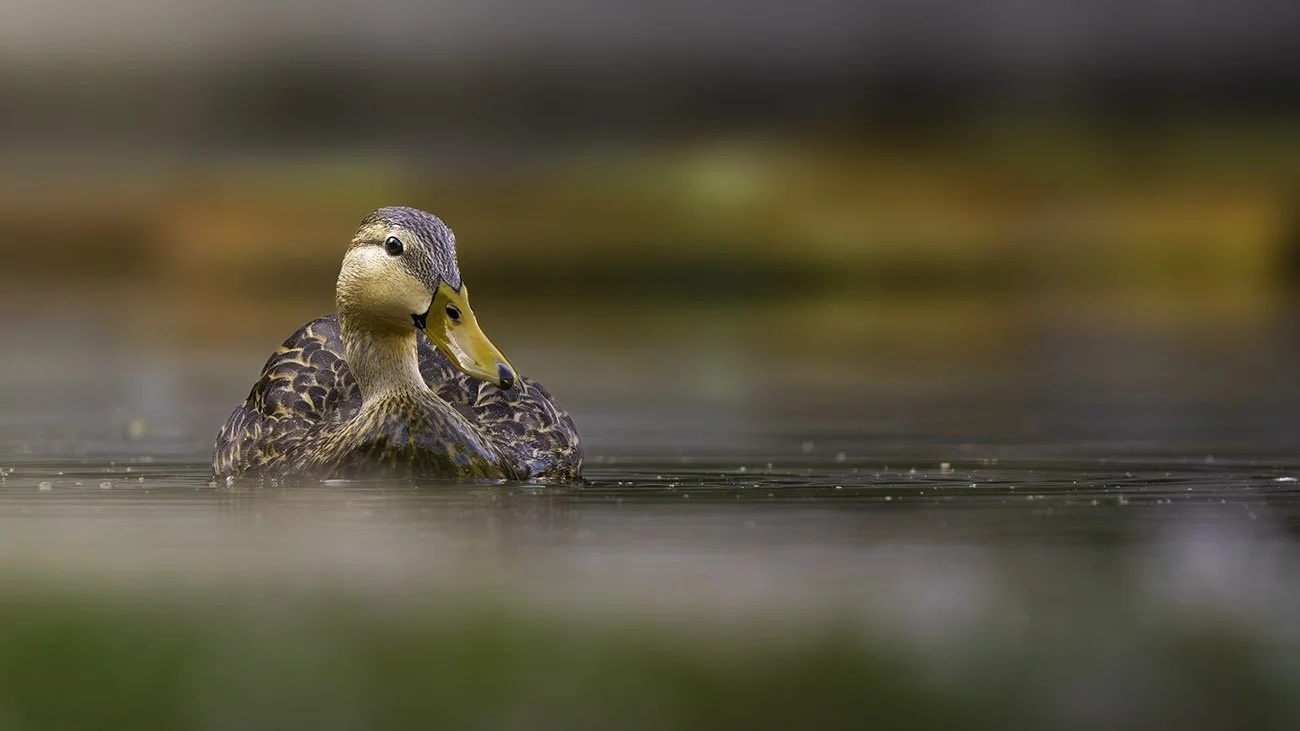
Birds and Waterfowl
Welcome to a premier destination for bird watching in Central Florida. At Cedar Lakes Woods and Gardens, our unique geography, a lush limestone quarry surrounded by protected woodlands, creates a vibrant corridor for both year-round residents and migratory species. Whether you are a seasoned birder with a long lens or a casual nature lover, the sights and sounds of our feathered friends add a living soundtrack to your walk through the gardens.
Waterfowl
These are the intensely vibrant, large-scale bloomers that give the gardens a lush, jungle-like atmosphere.
Anhinga: Often called the "Snake Bird," the Anhinga is a master underwater hunter. Because their feathers aren't waterproof, you’ll frequently see them perched on sunny rocks with their wings spread wide to dry.
Little Blue Heron: A slender, moody-blue wader that moves with a slow, methodical grace. Interestingly, the juveniles of this species are pure white, often blending in with the Snowy Egrets before molting into their adult slate-blue feathers.
Mute Swans: The undisputed icons of our lower ponds, these elegant white birds offer a sense of timeless beauty as they glide across the reflections of the quarry walls.
Wood Ducks: Known for their striking, iridescent plumage, these shy natives are often spotted tucked away in the quiet, shaded inlets of the upper gardens.
Wading Birds
This section is for the botanical oddities that look like they belong on another planet.
Great Blue Heron: Often found standing motionless near a waterfall, these stoic hunters are a testament to the patience of nature.
Snowy Egret: Small and energetic, these white herons are easily identified by their "golden slippers" as they stir up the water's edge in search of a meal.
Tricolored Heron: A sleek and slender heron with a beautiful mix of blue-gray, lavender, and a distinct white belly. They are incredibly agile hunters, often seen "dancing" through the shallows to flush out fish.
White Ibis: Frequent visitors to our grassy banks, these curved-bill birds move in social groups, probing the soil with rhythmic precision.
Woodland and Songbirds
Beyond the water, our wooded conservation areas and flowering shrubs provide essential nectar and nesting sites for a diverse range of smaller species.
American Robin: A classic sign of the changing seasons in Florida. While they are famous for their orange breasts, keep an ear out for their liquid, warbling song in the early morning.
Black-and-White Warbler: A unique songbird that acts more like a nuthatch, creeping up and down tree trunks and large branches in search of hidden insects.
Blue Jay: Bold, blue, and highly intelligent, these birds add a lot of personality to the garden and are known for their ability to mimic the calls of other birds.
Carolina Wren: Small in size but huge in voice! These birds are famous for their loud, ringing songs and their habit of exploring every nook and cranny of our stone walls and garden structures.
Downy Woodpecker: The smallest of our local woodpeckers, these energetic birds are often seen spiraling up the trunks of our smaller trees and shrubs in search of insects.
Northern Cardinal: A flash of brilliant red against the green foliage, the Cardinal’s cheerful whistle is a constant soundtrack to a morning walk.
Pileated Woodpecker: This impressive, large woodpecker with a flaming red crest can often be heard hammering away deep within our wooded trails.
Ruby-throated Hummingbird: Keep a close watch near our flowering displays during the warmer months to catch a glimpse of these tiny, shimmering acrobats in mid-air.
Tufted Titmouse: A small, gray bird with a jaunty crest and large black eyes. They are incredibly active and are often the first to sound an alarm if they spot a hawk or owl in the area.
Wild Turkey: A classic sight in "Old Florida," our resident turkeys are most often seen in the early mornings moving gracefully through the conservation areas.
Yellow-rumped Warbler: A winter favorite! Look for the "butter butt"—a bright yellow patch on their lower back—as they flit through the trees catching flies in mid-air.
Aerial Hunters & Raptors
The open skies above the quarry and the tall pines of the surrounding woods are patrolled by these powerful predators.
Red-shouldered Hawk: The most vocal of our local raptors, these hawks are often seen perched on high branches. They are easily identified by their rhythmic, piercing calls and checkered wing patterns.
Osprey: A master fisherman frequently seen patrolling our larger lakes. Watch for their dramatic, high-speed dives as they plunge into the water to snag fish.
Barred Owl: Best heard during the twilight hours, their soulful "Who cooks for you?" call echoes through the deeper wooded trails where they blend perfectly into the bark of the trees.
Swallow-tailed Kite: A seasonal highlight! These striking black-and-white birds with deeply forked tails arrive in the spring. They are incredibly acrobatic, often catching and eating insects entirely while in flight above the garden canopy.
Black Vulture & Turkey Vulture: Nature’s essential clean-up crew. You’ll often see them soaring on thermals high above the quarry, recognizable by their steady, effortless gliding.
Exotic Residents and Rescues
While Cedar Lakes is a haven for Florida’s native birdlife, we are also proud to provide a permanent home for specialized rescues. These charismatic birds have become beloved members of the Cedar Lakes family.
Rose-breasted Cockatoo (Galah) (Eolophus roseicapilla): A stunning exotic resident known for its vibrant pink chest and soft gray wings. Native to Australia, our resident Galah, Rosie, is a rescued companion bird that resides in our front office. Highly intelligent and social, these cockatoos are famous for their playful personalities and complex vocalizations. Meeting Rosie offers visitors a rare, up-close look at one of the world’s most beautiful psittacines (parrot family).